Zara Schröder · 23 September 2026
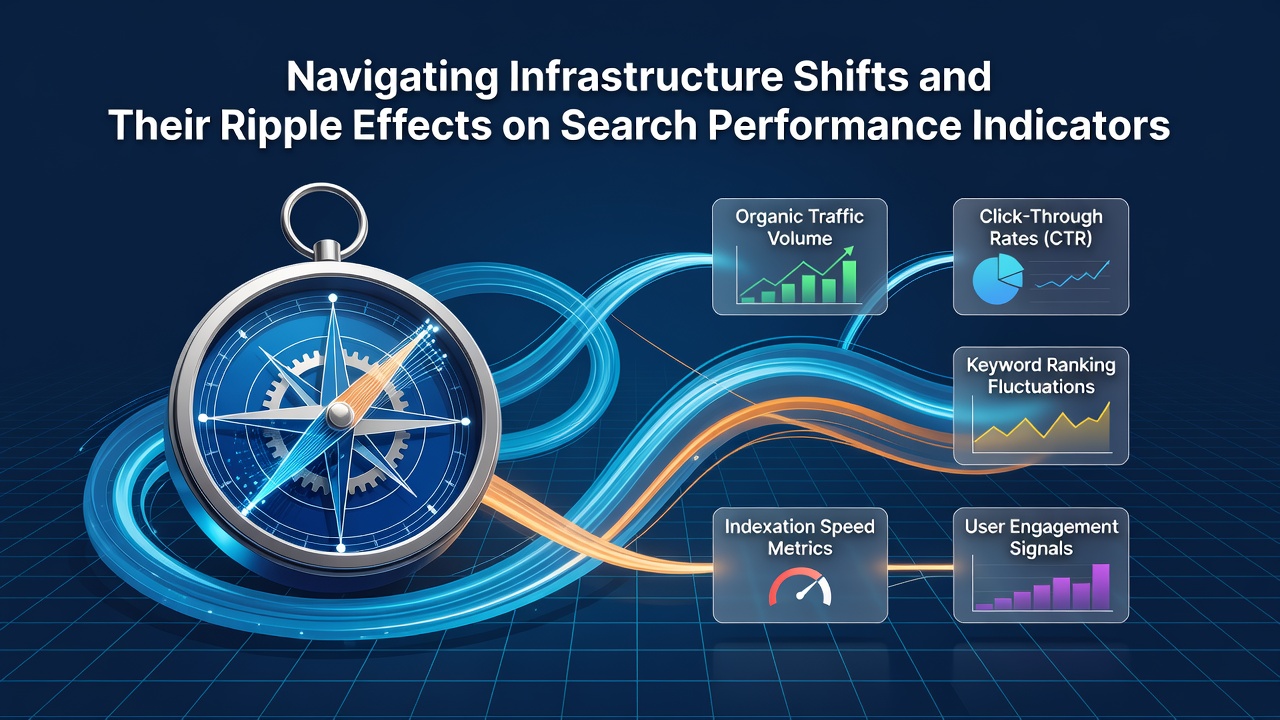
Navigating Infrastructure Shifts and Their Ripple Effects on Search Performance Indicators
Organizations that manage large scale websites often encounter infrastructure shifts when they migrate servers, adopt new content delivery networks or transition between cloud providers, and these changes produce measurable effects on search performance indicators such as crawl frequency, indexing speed and organic traffic stability. Researchers who track these transitions note that even brief periods of DNS propagation delays or altered server response codes can interrupt how search engines interpret site availability, which in turn influences ranking signals that depend on consistent accessibility data.
Common Types of Infrastructure Changes
Companies undertake server migrations to improve latency or reduce costs, while others implement edge computing setups to handle regional traffic spikes more efficiently. Each approach alters the underlying network paths that search engine crawlers follow, and studies from academic institutions in North America show that response time variations above 200 milliseconds frequently correlate with reduced crawl budgets allocated to affected domains. Observers note that CDN integrations introduce additional layers of caching logic, which sometimes prevents immediate propagation of content updates and thereby delays fresh indexing cycles for time sensitive pages.
Those who monitor large scale transitions also record instances where protocol upgrades from HTTP/1.1 to HTTP/3 produce temporary drops in reported availability metrics until search systems fully recognize the new handshake patterns. Data collected across multiple regions indicates that such protocol shifts tend to stabilize within two to four weeks when properly configured, yet the interim period can still register as negative signals in performance dashboards.
Measured Effects on Key Performance Indicators
Search performance indicators encompass more than raw ranking positions because they include crawl error rates, index coverage percentages and click through ratios derived from search console reports. When infrastructure changes occur without synchronized sitemap updates, index coverage can decline by double digit percentages according to aggregated reports from European research consortia. Those figures reveal that pages previously indexed may drop out temporarily if server headers return inconsistent status codes during the transition window.
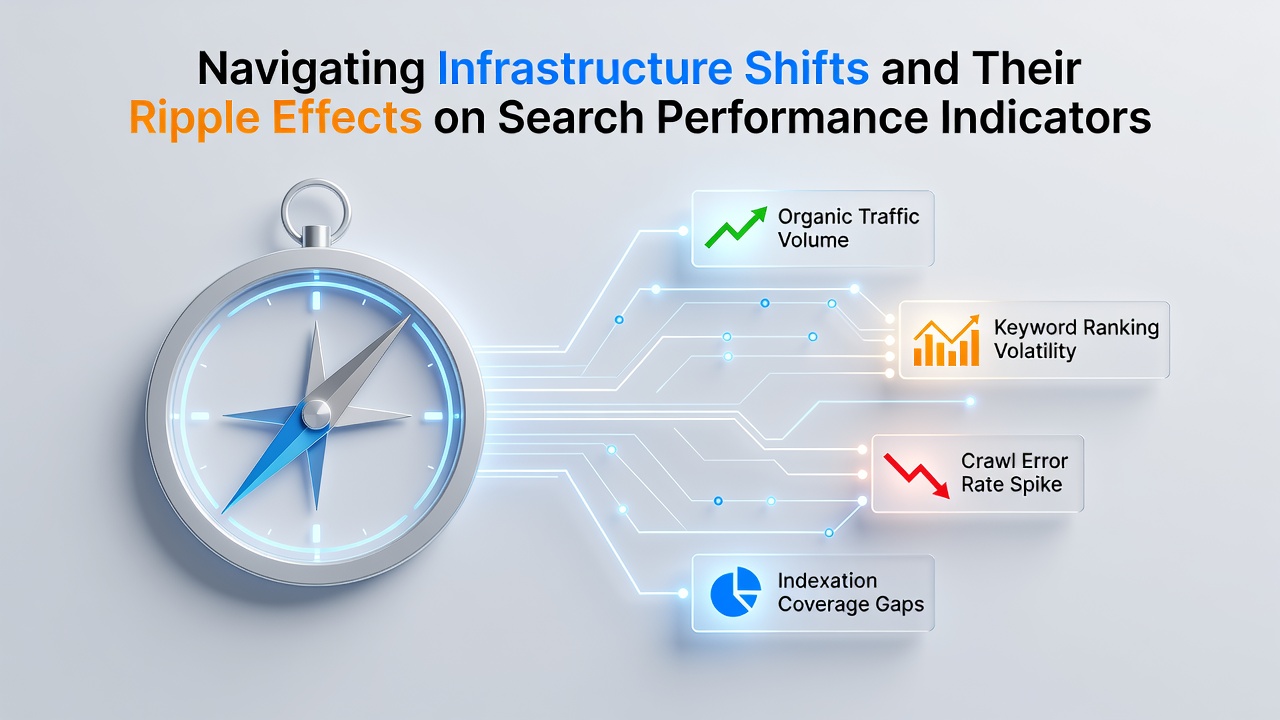
Traffic stability metrics also shift when load balancer configurations reroute requests, because search engines interpret sudden changes in geographic server locations as potential site moves. Industry analyses conducted by Australian digital economy institutes demonstrate that sites undergoing such rerouting experience an average 15 percent variance in organic session duration during the first month after implementation. These variances settle once canonical tags and hreflang attributes are verified against the new infrastructure topology.
Developments Observed Around September 2026
September 2026 brought heightened activity in infrastructure modernization as several multinational platforms completed phased migrations to distributed cloud architectures. Regulatory bodies in Canada published preliminary findings indicating that domains completing these transitions ahead of peak seasonal traffic periods maintained steadier crawl rates than those executing changes during high volume intervals. The same reports highlight that pre migration testing of robots.txt directives and server log monitoring reduced the duration of indexing disruptions by roughly one third compared with untested rollouts.
Experts tracking these events emphasize the value of maintaining parallel environments during cutover phases so that performance baselines remain comparable before and after each stage. Such practices allow teams to isolate whether observed metric shifts stem from infrastructure alterations or from concurrent algorithm adjustments rolled out by major search providers.
Strategies That Limit Negative Ripple Effects
Teams that coordinate infrastructure work with search engine guideline timelines tend to experience fewer prolonged impacts on performance indicators. This coordination includes submitting updated sitemaps immediately after DNS propagation completes and monitoring server logs for unusual crawler behavior patterns within the first 72 hours. Data from government backed digital infrastructure programs in the Asia Pacific region shows that organizations adopting these steps recover index coverage metrics faster than those relying solely on post launch troubleshooting.
Continuous measurement of core web vitals alongside traditional search metrics provides another layer of visibility because infrastructure changes can affect both technical accessibility and user experience signals simultaneously. When these measurements occur at regular intervals, analysts can distinguish between short term fluctuations and longer term trends that require corrective configuration changes.
Conclusion
Infrastructure shifts continue to intersect directly with search performance indicators through their influence on crawl efficiency, indexing timelines and traffic consistency. Organizations that document baseline metrics before initiating changes, then track the same indicators through each phase of migration, position themselves to address disruptions before they compound. Evidence gathered across multiple continents demonstrates that methodical preparation combined with real time monitoring reduces the scope and duration of ripple effects, allowing search visibility to stabilize more rapidly once new systems reach full operational capacity.